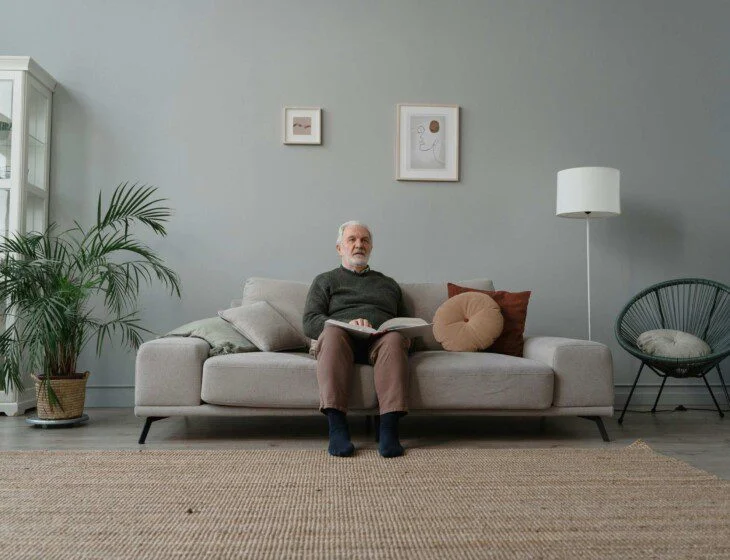
For many adults entering retirement, remaining in a longtime home can seem like the most reasonable course. The setting is familiar, daily patterns are well established, and household expenses feel predictable after years of steady management.
Yet the role housing plays in retirement extends far beyond familiarity. Access to services, the availability of social and cultural life, and the time required to manage everyday responsibilities all influence how retirement unfolds. Along the coast, where property demands and costs tend to rise, these factors often become more pronounced with time.
When retirement is lived at home, the elements that enrich daily life—inspired dining and meals out, fitness routines, creative interests, cultural outings—are usually handled separately. Costs increase gradually, alongside the effort required to coordinate details, maintain schedules, and oversee multiple moving parts.
In the sections that follow, we’ll take a closer look at the financial and lifestyle dynamics that are often overlooked when aging in place, then consider how senior living communities approach daily life and long-range planning through a more unified framework.
Key Takeaways
- Living at home during retirement often involves layered expenses and ongoing coordination that build steadily over time.
- Aging-in-place costs are typically spread across multiple providers, making long-term planning more complex.
- Senior living communities consolidate housing, lifestyle amenities, and future care within a single structure.
What Does Aging In Place Mean?
Aging in place refers to remaining in one’s current residence throughout retirement instead of relocating to a senior living community. Many people choose this option because it preserves familiar surroundings and long-standing routines. Over time, however, staying home can introduce financial, logistical, and lifestyle demands that are easy to underestimate at the outset.
The Financial Side of Aging at Home
While remaining at home may appear manageable at first, expenses rarely remain static. Homeowners often encounter a growing combination of maintenance needs, added services, and limited financial flexibility that complicate long-range planning.
The Ongoing Commitments of Homeownership
Retirement does not lessen the responsibilities that come with owning a home. In South Florida, heat, humidity, salt air, and seasonal storms place consistent demands on both interior systems and exterior materials.
Maintenance and Repairs
Core components—roofing, air-conditioning systems, appliances, and exterior finishes—require regular attention and eventual replacement. National estimates from 2024 place average annual home maintenance costs at approximately $10,400, reflecting increased labor and materials pricing across the country.
Monthly Expenses That Continue to Rise
Certain household costs remain in place regardless of how much time is spent at home:
- Property taxes
- Homeowners insurance
- Utilities
Utility spending continues to trend upward. National average monthly utility costs increased from $583 in 2024 to $611 in 2025, with cooling and energy usage playing a significant role in warmer climates.
Housing Costs and Income Allocation
Housing-related expenses now account for a larger share of household income than many retirees anticipate. U.S. Census data shows that a significant number of homeowners spend more than one-third of their income on housing costs, a level commonly associated with financial strain. For those relying on structured income plans, these increases can quietly disrupt projections.
Planning for Home Modifications
Many homeowners also anticipate physical updates such as accessibility improvements or safety modifications. These projects require advance planning and upfront investment, adding another layer to the cumulative cost of remaining at home.
The Growing Cost of In-Home Assistance
Support at home often begins modestly and expands over time. What starts as occasional help can develop into regularly scheduled assistance as routines and needs evolve.
In-Home Care Costs
According to 2024 national data from CareScout, median hourly rates continue to rise:
- Homemaker services: approximately $30 per hour
- Home health aide services: approximately $31 per hour
With consistent use, full-time in-home care can reach $65,000–$70,000 per year. These figures reflect care services alone and do not include housing expenses, utilities, transportation, or home upkeep.
Coordination Responsibilities
Beyond cost, in-home care introduces an ongoing coordination layer:
- Scheduling caregivers
- Arranging backup coverage
- Adjusting services as needs change
These responsibilities frequently fall to spouses or adult children and can introduce variability into both daily routines and budgets.
Planning Challenges
The challenge is not a single expense. It is the gradual accumulation of costs alongside increasing coordination demands, often without a clearly defined long-term structure.
Missed Financial Flexibility
Another often overlooked factor is opportunity cost. Assets tied up in a primary residence are not easily accessed without selling or restructuring finances.
Delaying housing decisions can also limit future choices. Moves made later are frequently driven by immediate circumstances instead of long-term preference. Planning earlier allows for greater control over timing, options, and financial strategy.
The Lifestyle Tradeoffs of Staying Home In Retirement
Retirement planning encompasses more than housing. It also determines how time is spent day to day.
When living at home, lifestyle components are typically managed individually rather than through a single, coordinated system.
Common considerations include:
- Dining beyond home cooking, including restaurants or meal services
- Transportation costs such as vehicle ownership, insurance, and rideshares
- Fitness and wellness expenses, from memberships to personal training
- Creative pursuits requiring space, materials, or instruction
- Cultural outings and social events, along with the time required to organize them
- The ongoing task of researching options and managing schedules
Each element may feel manageable on its own. Together, they represent a growing financial and organizational commitment.
Social Connection
Lifestyle considerations aren’t limited to expenses alone. Daily interaction, shared interests, and time spent with others play a meaningful role in how engaging and connected life feels over time. Explore more details in our guide, A Closer Look at the Social Challenges of Aging at Home.
How Senior Living Communities Re-Envision Daily Life
At Harbour’s Edge, daily life is designed around cohesion. Dining, wellness, cultural experiences, and opportunities to connect are woven into the flow of each day, eliminating the need to coordinate them separately.
Residents enjoy waterfront dining venues, a performing arts center, fitness and wellness spaces, pickleball courts, art studios, and outdoor gathering areas with sweeping views of the Intracoastal Waterway. A waterfront pool and whirlpool spa, putting green, dog park, and a thoughtfully curated calendar of social experiences reflect a lifestyle inspired by coastal living.
With valet services, garage parking, and scheduled transportation, daily logistics take a back seat. The community’s setting places residents just minutes from Delray Beach’s dining scene, galleries, and shoreline—without the responsibility of managing multiple memberships or ongoing upkeep.
Built-In Access to Advanced Care
A key distinction between aging at home and a Life Care community lies in how future needs are addressed.
At home, families often revisit care options repeatedly as circumstances change. At Harbour’s Edge, access to skilled nursing and rehabilitation services is already part of the plan, with the addition of assisted living and memory care services on the way.
Residents receive priority access to higher levels of care within the same community, supported by familiar teams and surroundings, without rebuilding provider relationships.
Discover a More Seamless Way of Living at Harbour’s Edge
When daily life no longer centers on home upkeep, coordinating services, or tracking multiple bills, time becomes available for pursuits that reflect how you want to live.
At Harbour’s Edge, maintenance, dining, wellness programming, transportation, and long-term care planning are organized within one cohesive structure—supporting an active, socially engaged lifestyle along the Intracoastal.
If you are considering a different approach to retirement living, explore what life can look like at Harbour’s Edge.